Leak Detection in South Odessa, TX
Leak detection in South Odessa, TX: signs, soil & heat risks, and fast non-invasive checks. Call Odessa Leak Pros at (725) 550-4629 — open 24/7.
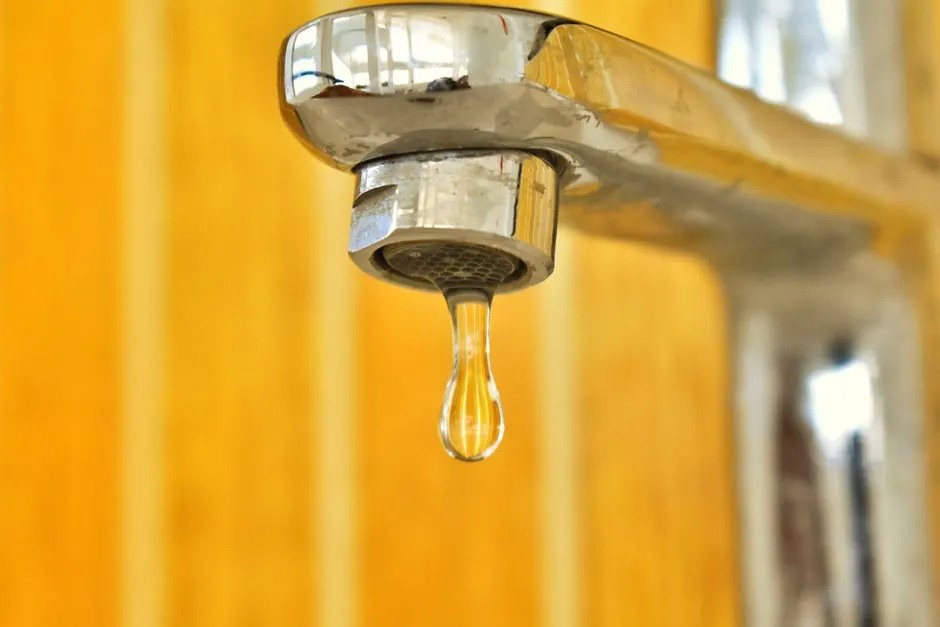
Why South Odessa homes face hidden leaks
Leak detection in South Odessa covers a real mix of homes: established neighborhoods with aging supply lines sit alongside newer builds with long service runs, irrigation systems, and pools. Both can develop hidden leaks for different reasons. Older copper, galvanized, or polybutylene lines simply wear out, while newer homes can suffer from a failed joint, a nicked line from past work, or a sprinkler line that only leaks when the system runs.
West Texas soil is a big part of the story. Expansive clay swells when it gets wet and shrinks as it dries, and that seasonal movement stresses buried water lines, sewer lines, and the slab under your home. Summer heat adds strain on pipes and joints, and hail and high wind can damage roofs and flashing, letting rainwater in through a path that first looks like a plumbing leak. Getting the diagnosis right matters, because the fix for a roof leak, a slab leak, and a yard water-line leak are completely different.
Signs you may need leak detection in South Odessa
The most useful early sign is often your water bill. If usage jumps without a change in household habits, a new pool fill, or extra watering, a hidden leak is a strong suspect. Other warning signs include a warm or damp spot on the floor, the sound of running water when every tap is off, a musty smell in one room, paint bubbling, or baseboards pulling away from a wall.
Outside, watch for a patch of lawn that stays greener or soggier than the rest of the yard, or a driveway or walkway area that never quite dries. Inside, new wall cracks, doors that suddenly stick, and floors that feel uneven can point to soil movement made worse by water under the slab. Do not wait for visible flooding: by then, subflooring or drywall may already be damaged. If you notice one of these signs, a South Odessa leak detection check can confirm whether the problem is plumbing at all, and where it is coming from.
A quick check you can do before you call
Try a simple meter test. Turn off every tap, appliance, and irrigation zone, then find your water meter and note the reading. Wait 30 to 60 minutes without using any water, then check again. If the meter moved, water is going somewhere it should not — and that is worth a professional look even if you cannot see a single drop.
Also do a fast walk-through: check under sinks, around toilets, behind the washing machine, and at the water heater for dampness, rust, or a musty smell. Note when you first noticed the problem and which rooms are affected — that detail helps a technician narrow the search quickly. If you smell gas, skip the detective work: leave the house, do not flip electrical switches, and call your gas utility or emergency services from outside.
What a professional leak detection visit looks like
A good visit starts with questions, not demolition. The technician will ask about your bill, the signs you have seen, and the age and layout of the home, then work through the likely sources in order. Acoustic listening equipment can pick up the hiss of water escaping a pressurized line, thermal imaging can reveal cool or warm patches behind walls and under floors, and moisture meters show how far dampness has spread.
For drains and sewer lines, a camera inspection can show cracks, root intrusion, or a break without digging up the yard. The goal is always the same: pinpoint the leak before anything is opened up, so the repair is targeted rather than exploratory. Once the source is found, you should get a plain explanation of what failed, what the repair involves, and what it will cost — before repair work begins.
When to act fast in South Odessa
Some leaks can wait a day for a scheduled visit; others should not. Call right away if water is pooling, a ceiling is sagging or staining, the meter is spinning fast, or you have shut the main valve off and still hear running water. Those are signs of an active leak that is damaging structure, flooring, or soil right now.
For a suspected slab leak, speed matters even more: water under a slab can erode support soil and crack concrete over time. Odessa Leak Pros is available 24/7 for leak detection in South Odessa, and the contact page is the fastest way to request a visit. If you can, shut off the main water valve and note the meter reading before you call — both help the technician judge how urgent the leak is.
Preventing the next leak
Once a leak is fixed, a few habits lower the odds of another one. Check exposed pipes and appliance hoses twice a year, especially after a hard freeze, and replace cracked or bulging washer hoses before they burst. Keep an eye on your water bill month to month — a slow, steady climb is often the first sign of a small leak. In the yard, fix sprinkler heads that spray against the house and keep soil graded away from the foundation so water does not sit against the slab.
For older South Odessa homes, it is also worth asking a technician which lines are original and which have already been replaced. Knowing that in advance turns a future emergency into a planned repair, and it helps you budget instead of reacting to a flooded room at midnight.
Good to know.
How much does leak detection cost in South Odessa?
Cost depends on the type of leak, how accessible the pipes are, and which detection methods are needed. A straightforward residential check is usually simpler than tracing a leak under a slab or across a large yard. Ask for a clear, upfront explanation of the scope before any work starts, and be wary of any quote given before the leak has been located.
Do you cover all of South Odessa?
Yes. Odessa Leak Pros serves homes, rentals, and commercial properties across South Odessa and the wider Odessa area, 24 hours a day, 7 days a week. Call (725) 550-4629 and describe the signs you have noticed so the visit can be planned around them.
How long does a leak detection visit take?
Many visits take a couple of hours, but tracing a hidden leak can take longer if several lines or rooms have to be ruled out one by one. A thorough check is worth the time: guessing at the location and opening walls or floors in the wrong place costs far more in repairs.
Will leak detection damage my floors or walls?
Non-invasive methods come first — listening equipment, thermal imaging, moisture meters, and cameras where they fit. Cutting into a wall or floor is a last step, done only once the leak has been pinpointed, so repairs stay as small as possible.
My water bill suddenly jumped. Is that always a leak?
Not always — a running toilet, a new irrigation schedule, or a pool refill can all raise usage. But if nothing in your routine changed, a hidden leak is a strong suspect. A simple meter test can usually confirm whether water is moving when everything in the house is off.
More Odessa guides.
Ready for a focused inspection?
Start with the symptoms, the affected area and when you first noticed the change.