Water Heater Leak Signs in Odessa, TX
Spot a water heater leak in Odessa, TX early — puddles, rust, popping sounds and rising bills. Odessa Leak Pros, 24/7. Call (725) 550-4629.
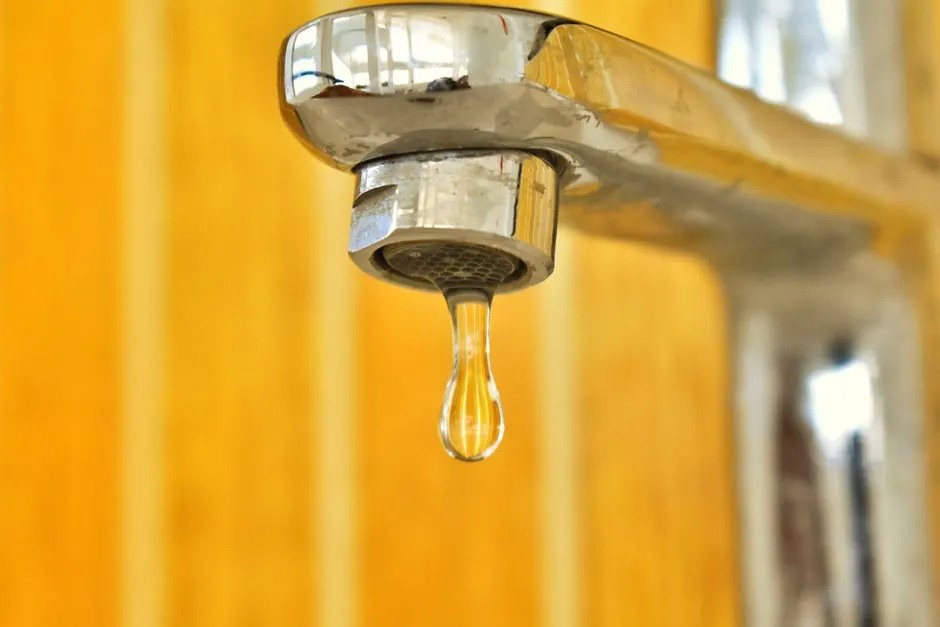
Puddles and dampness around the base
A water heater leak in Odessa, TX most often shows up first as water where it should not be: a small puddle at the base of the tank, a damp ring on the garage floor, or moisture on the wall behind the heater. Check the drain valve at the bottom, the pipe connections on top, and the discharge pipe from the temperature and pressure relief valve — these are the three places leaks start most often. Wipe the area dry, then check again a few hours later. If water is back, you have a leak, not a one-time spill. One caution for West Texas homes: in summer, a cold water line sweating in a hot garage can look like a leak. Condensation dries up and does not return in the same spot once the tank is warm; a real leak keeps coming back. If you are unsure, check your water meter with everything in the house turned off — a moving meter means water is leaving the system somewhere.
Rust and corrosion on the tank and fittings
Rust is the quiet warning sign of a water heater leak. Look for rust streaks running down from the pipe fittings on top of the tank, brown staining around the base seam, or a corroded drain valve. Odessa’s hard water is tough on plumbing, and mineral-heavy water speeds up corrosion inside and outside the tank. A rusty fitting can often be replaced before it fails. A rusted tank is a different story: once the steel tank itself starts leaking through a corroded spot, it cannot be patched reliably. Most tank water heaters last roughly 8 to 12 years, and in a hard-water area like West Texas the lower end of that range is common. If your heater is past ten years old and you see rust, do not wait for the puddle — have it checked, because a tank that fails can release 40 to 50 gallons onto the floor in one go. For a full check of the rest of your home’s plumbing, see our residential leak detection in Odessa service.
Popping, rumbling or hissing sounds
A healthy water heater is nearly silent. Popping, rumbling or a sound like a kettle boiling usually means sediment has built up on the bottom of the tank — and in Odessa, where the water carries a heavy mineral load, sediment builds up faster than in most of the country. The burner heats water trapped under that sediment layer, and the steam bubbles pop as they escape. The noise itself is annoying, but the real problem is what it does to the tank: the bottom overheats, the steel flexes and weakens, and the heater burns more gas or electricity to deliver the same hot water. A hissing sound is more urgent, especially near the relief valve or a gas connection, and can mean pressure is venting or gas is escaping. If you smell gas, leave the house and call your gas company first. For any other unusual noise, turn the heater off and get it inspected before the sediment causes a crack or a leak.
Rusty or discolored hot water
Turn on the hot tap and let it run for a few seconds. If the water comes out brown, yellow or cloudy and then clears, sediment or rust from inside the tank is the likely cause. Run the cold tap as a comparison: if the cold water is clear and only the hot water is discolored, the problem is in the heater, not the city supply. Rusty hot water means the inside of the tank — or the anode rod that protects it — is corroding, and corrosion is the step that comes right before a leak. Do not drink or cook with rusty water, and do not ignore it because it clears after a few seconds. Flushing the tank can help if the cause is loose sediment, but if the discoloration keeps returning, the tank lining is failing and the heater is on borrowed time.
Hot water runs out fast, and bills climb
A leaking water heater has to work constantly to replace the hot water it is losing, so two bills often move at once: the water bill and the gas or electric bill. If your showers turn lukewarm halfway through, the tank may be losing hot water as fast as it makes it, or a thick sediment layer may be insulating the water from the burner so the heater cannot keep up. Compare your last few water bills — a jump of 20 percent or more with no change in household habits is a classic leak signal. Our high water bill hidden leak checklist for Odessa walks through the meter test and the other places to check. Either way, a heater that cannot hold temperature is wasting money every day it keeps running, and the longer it runs that way, the closer it gets to a full failure.
What to do first, and when to call a professional
If you find an active water heater leak, start with three steps. First, shut off the cold water supply valve above the heater — turning it clockwise stops water feeding the leak. Second, turn the heater itself off: the gas control knob to off for a gas unit, or the breaker for an electric unit, so it does not keep heating an emptying tank. Third, catch or mop up the water and move anything stored nearby out of the way, especially in a garage closet where boxes sit on the floor. Do not try to open or test the temperature and pressure relief valve while it is discharging hot water. Then call for help: Odessa Leak Pros is available 24/7, and a same-day visit can confirm whether the leak is a fitting, a valve or the tank itself. Our leak detection for Odessa homes covers water heaters along with slab, pipe and roof leaks, so one visit can rule out the rest of the system too. A slow drip found today is a repair; a tank found tomorrow morning in a flooded garage is a much bigger job.
Good to know.
What are the first signs of a water heater leak in Odessa?
The first signs are usually a puddle or dampness around the base of the heater, rust on fittings or the tank, popping or rumbling sounds, rusty hot water, or a water bill that climbs for no clear reason. Any one of these is worth checking the same day.
Can a leaking water heater be repaired, or does it need replacing?
It depends on where the water is coming from. A leaking drain valve, pipe fitting or temperature and pressure relief valve can often be repaired. If the tank itself is leaking from a rusted seam or the bottom, the tank cannot be patched reliably and usually needs replacing.
Is a water heater leak an emergency?
An active leak that is flooding a garage, closet or utility room is an emergency — shut off the water supply to the heater and call for 24/7 help. A slow drip is not flooding yet, but it can become one quickly, so treat it as a same-day job rather than a next-month job.
Why does my water heater make popping sounds?
Popping or rumbling is usually sediment from Odessa’s hard water settling on the bottom of the tank. The burner heats the trapped water under the sediment, which pops as it escapes. Regular flushing helps, and the noise is a sign the heater is working harder than it should.
How much does it cost to find a water heater leak in Odessa?
The cost depends on the heater type, where the leak is, and how easy it is to reach. A straightforward detection visit is typically far less than the cost of repairing water damage to floors and walls. Odessa Leak Pros gives you an upfront quote before any work starts.
More Odessa guides.
Ready for a focused inspection?
Start with the symptoms, the affected area and when you first noticed the change.